Access to clean, safe drinking water is one of the most fundamental requirements for human survival and well-being. The relationship between sweet water supply and public health is profound and multifaceted, influencing everything from disease prevention to economic development. Understanding this connection is crucial for communities, policymakers, and individuals alike as we navigate the challenges of ensuring adequate water access in an increasingly complex world.
The Foundation of Health: What Makes Water “Sweet”
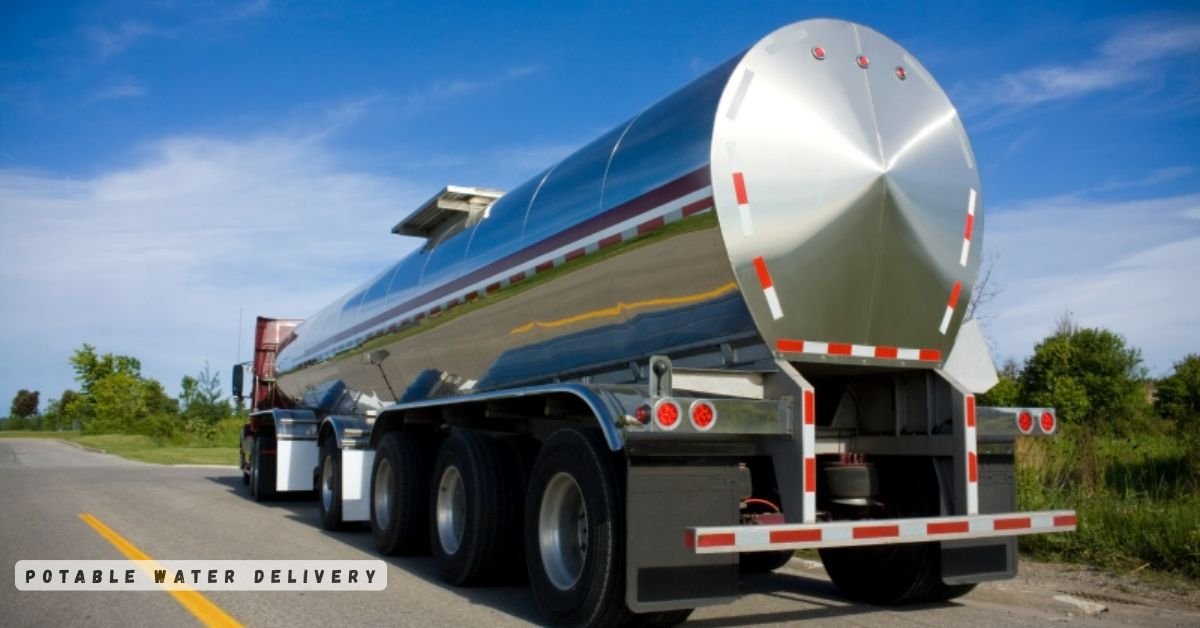
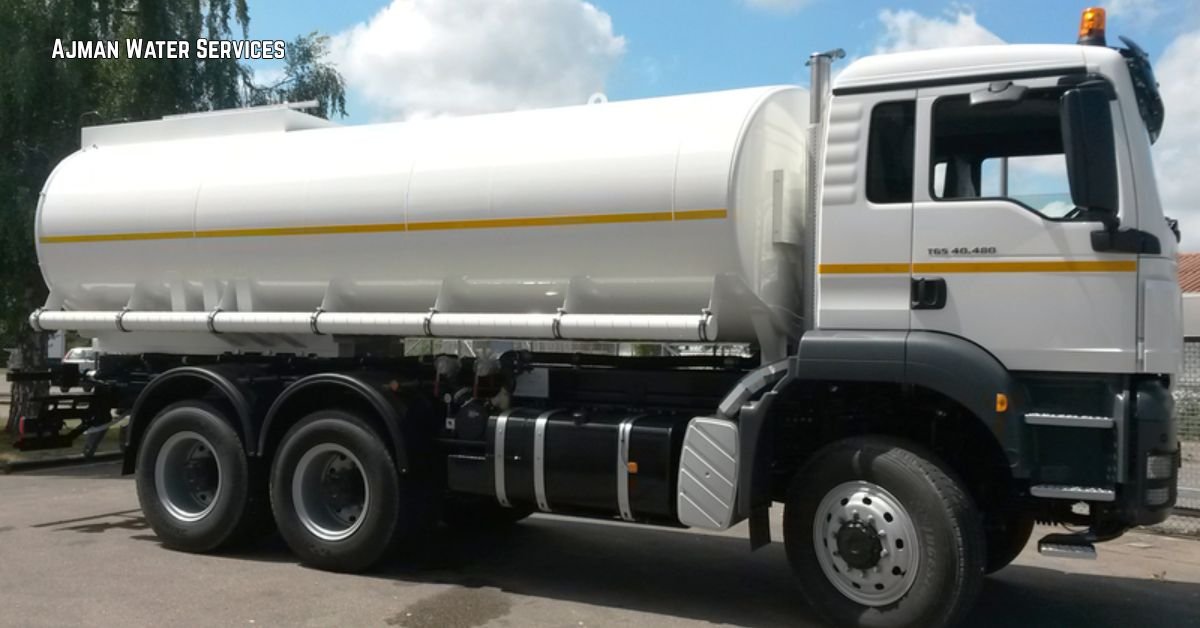
Sweet water Tanker supply denotes fresh, clean water with no harmful contaminants that are safe and drinkable to man. In contrast to brackish or salty water, most of the dissolved salts or pollutants content of sweet water ensure that it can be consumed, cooked and can be used in simple hygiene practices. This is because the quality of sweet water supplies has a direct effect on the outcome of the health of the population as it comes as either a protective mechanism against illness or a conduit for spreading the disease.
With access to clean sweet water sources, the rate of disease caused by water bacteria drastically decreases, maternal and child health conditions improves, and the overall living standard is better. Instead, poor and dirty sweet water supply systems may easily develop into sources of diseases and outbreaks.
Disease Prevention Through Quality Water Access
The most direct relationship that exists between the provision of sweet water and the health of the population is its role in preventing diseases. Direct links of water diseases like cholera, typhoid, hepatitis A, and other diarrheal infections are attributed to unclean water sources. Vulnerable populations, such as children, individuals with lowered immune systems, and aging people, are disproportionally affected by those conditions.
A strong sweet water supply system is the outermost measure towards these preventable diseases. Effective application of water treatment facilities, water distribution arrangements and water storage facilities are likely to remove the presence of harmful bacteria, viruses and parasites from the water before it is allowed to reach the consumers. In communities where sweet water supply systems are well maintained, there are considerably low cases of waterborne diseases, hence low health costs and increased productivity.
Nutritional and Developmental Impacts
In addition to disease prevention, the supply of sweet water is also significant regarding nutrition and human development. When such food is properly prepared using clean water, the chance of serious food diseases that may interfere with nutritional absorption will be mitigated. Also, by being hydrated, the cognition process is enhanced together with physical activities as well as general metabolism.
It is especially the children that do above all to the impact of bad sweet water supply. By constant contact with polluted water, smaller sizes, retardation, and greater vulnerability to infections are identified. On the other hand, when there is the availability of a good sweet water supply system, the educational results are better, and it is because children stay a short time out sick and a longer time in school.
Economic Health and Community Development
The connection between good supplies of sweet water and the health of the people does not only apply to the wellness of an individual but to the overall financial and social gains. Well, populations are more productive, creating better local economies and lesser expenditures on healthcare. By taking the route of investing in stable sweet water supply infrastructure, communities get a platform for sustainable economic growth and stability.
Moreover, a good supply of sweet water supply will bring businesses and industries, thus creating employment and enhancing community development. Such economic growth, in turn, leaves the money to make further upgrades in the sphere of public health, forming a positive chain of development and wealth.
Environmental Factors and Water Quality
Environmental health is directly related to the quality of the sweet water supply. Sweet water bottles that are uncleaned or contaminated by industrial waste, farm runoff, and improper waste disposal may eliminate the purity of the sweet water supply system. Climate change also complicates this relationship because heavy weather conditions can break the water infrastructure and change the source of clean water.
The sweet water supply quality would greatly benefit by protecting its watershed regions, applying environmentally sustainable farming techniques, and having strong environmental laws. Societies with green priorities generally have better health for the people in the society and stronger waterways.
Challenges in Modern Sweet Water Supply Management
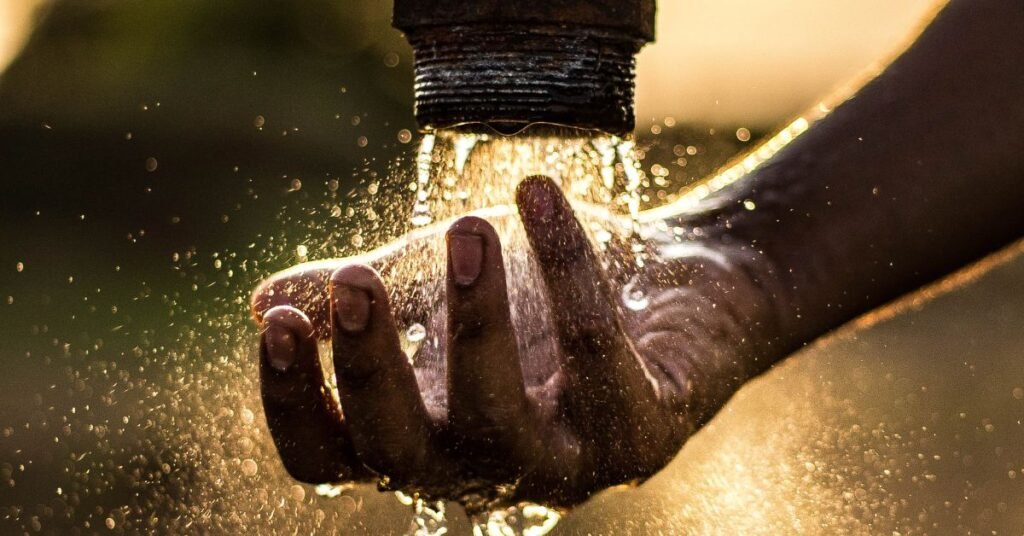
Modern systems of sweet water supply cannot be free of many challenges that are likely to affect the health of the population. The old infrastructure, increasing population and new pollutants like pharmaceuticals and microplastics continue to threaten the quality of water. Also, the occurrence of a natural disaster or event associated with climate change may interrupt the sweet water supply system, which involves a short or long-term risk to the health of the population.
To overcome such problems, there is a need to plan the work and involve resources intensively, be financially well-equipped, and actively communicate with the community. Periodical evaluation of the quality of sweet water supply, creation of the infrastructure improvement and elaboration of the emergency response measures are also crucial in the course of efficient public health protection.
Building Resilient Water Systems for Future Health
The development of sustainable sources of sweet water supply should be multi-pronged because it has to deal with current demands as well as with the problems of the future. This involves the adoption of modern water treatment processes, the creation of alternative sources of water, as well as conservation measures to guarantee enough water during shortages.
Popular education and mobilization are also indispensable since individual habits and choices have a huge contribution towards the success of the sweet water supply schemes. As soon as residents realise that there is a relationship between health and water quality, they become more willing to make the required investments and get into protective behaviour.
Need salt water for construction or cleaning? Explore our Salt Water Tanker Supply services for reliable and timely delivery across Dubai.
Final Words
There is an irreducible and extensive relationship between the sweet water supply and the health of the people. Accessibility to quality water is important to the health of the community, and it also affects many other things, such as the prevention of lost lives due to disease, economic growth, etc. With the ever-increasing pressure on issues to do with climate change, overpopulation and environmental disasters, the need to look after sustainable systems of supplying sweet water has become more and more important in terms of public health and the prosperity of present and future societies.