Waste water is an inevitable byproduct of modern living and commercial activities. Whether it comes from homes, offices, or industries, managing waste water properly is essential to protect public health and the environment. In the UAE especially in cities like Dubai efficient waste water treatment and disposal systems play a crucial role in maintaining hygiene, conserving resources, and supporting sustainability goals.
In this blog, we’ll explore the different types of waste water, their sources, treatment methods, and how Dubai and the UAE manage this vital environmental issue through advanced systems and responsible services.
What Is Waste Water?
Waste water refers to any water that has been used and contaminated by human, domestic, or industrial activities. It contains pollutants such as organic matter, chemicals, oils, and solids that make it unsuitable for direct reuse without treatment.
In simple terms, it’s the “used water” that flows from our sinks, showers, toilets, washing machines, factories, and even construction sites. Waste water management ensures this water is treated before it is safely discharged or reused.
Main Types of Waste Water
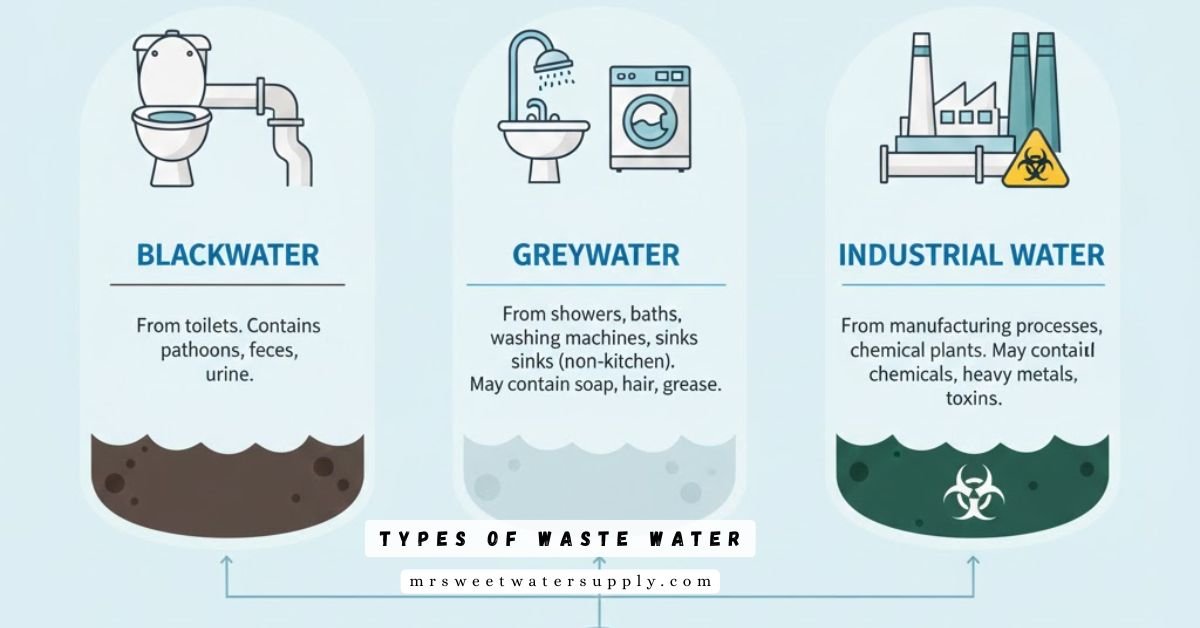
Waste water can be classified into three main categories:
- Sewage (Black Water)
- Grey Water
- Industrial Waste Water
Let’s understand each type in detail.
1. Sewage or Black Water
Sewage, also known as black water, is the most contaminated type of waste water. It comes from toilets and sometimes kitchen sinks, carrying human waste, urine, toilet paper, and food residues.
Sewage water contains harmful pathogens and bacteria, so it requires proper collection, transportation, and treatment before disposal.
Sources of Sewage Water
- Domestic toilets and bathrooms
- Commercial buildings (malls, hotels, offices)
- Municipal sewage systems
Sewage Treatment in Dubai
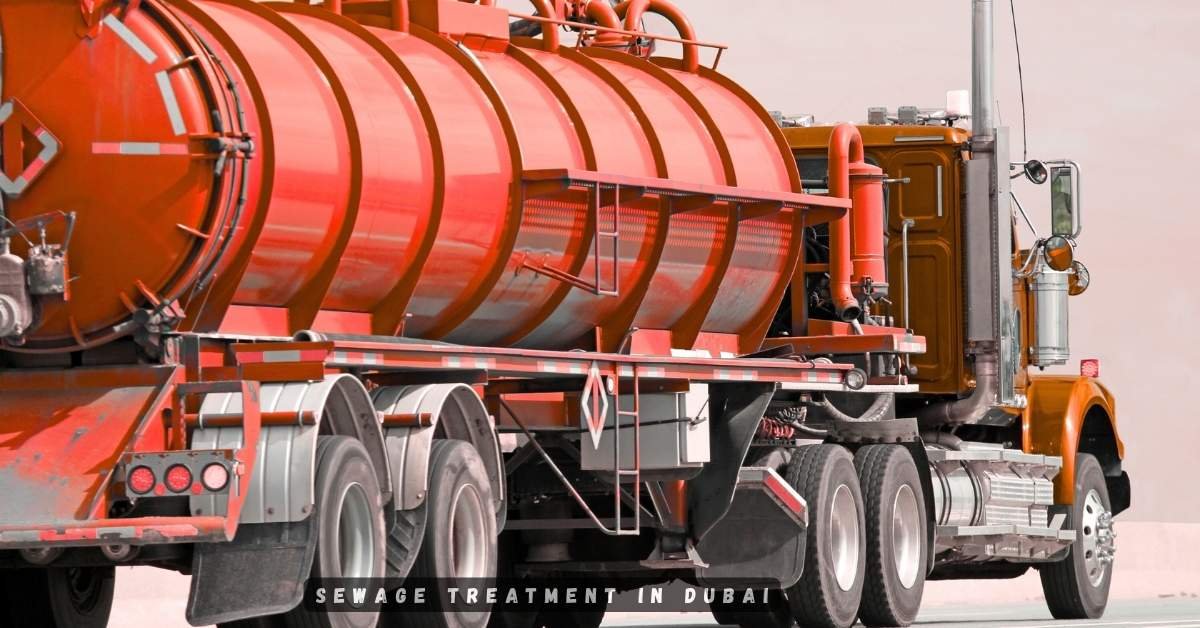
Dubai’s municipal waste water system is among the most advanced in the region. Sewage water is collected through underground pipelines and transported to waste water treatment plants (WWTPs). These plants treat millions of liters of sewage daily, converting it into Treated Sewage Effluent (TSE), which is safely reused for landscaping, irrigation, and cooling systems.
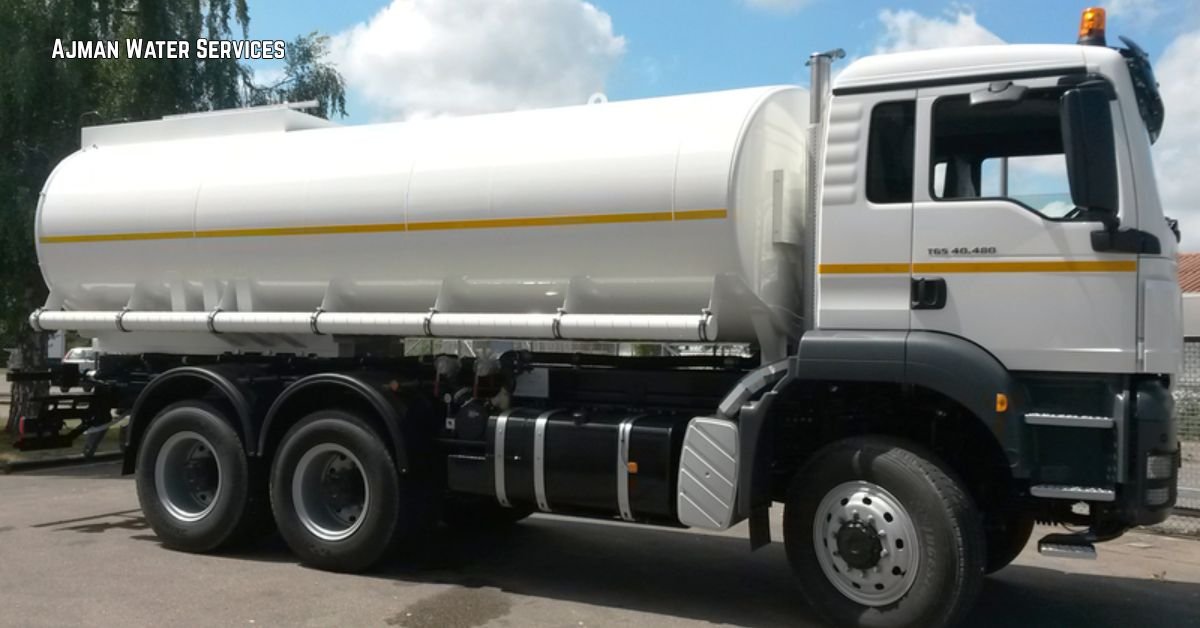
Private sewage tanker services in Dubai also play an important role in areas not connected to the municipal sewer line. Tankers collect sewage from septic tanks and deliver it to government approved treatment plants.
Get quick, affordable, and certified Sewage Tanker Services in Dubai tailored to your waste removal needs.
2. Grey Water
Grey water is waste water from toilet sources such as sinks, showers, washing machines, and dishwashers. It is less contaminated than sewage because it does not contain fecal matter or high levels of pathogens.
Sources of Grey Water
- Bathroom sinks and showers
- Laundry and dishwashing units
- Hand wash basins in homes or offices
Black Water vs Grey Water
| Feature | Black Water (Sewage) | Grey Water |
| Source | Toilets, kitchen drains | Showers, sinks, laundry |
| Contaminants | Feces, urine, pathogens | Soap, detergents, oils |
| Treatment Need | High | Moderate |
| Reusability | Limited (after full treatment) | Easier to recycle |
Grey Water Recycling in the UAE
In the UAE, grey water recycling is gaining popularity in both residential and commercial projects. Treated grey water can be reused for:
- Garden irrigation
- Toilet flushing
- Construction site dust control
- Cooling systems
Grey water disposal and recycling systems reduce demand for freshwater and promote sustainability—a key part of Dubai’s Green Building Regulations and Sustainability Strategy.
3. Industrial Waste Water
Industrial waste water comes from factories, production facilities, and commercial sites such as car washes, construction areas, and chemical plants. It often contains high levels of oil, grease, metals, and chemical residues.
Sources of Industrial Waste Water
- Manufacturing industries (food, textile, metal, plastic)
- Power plants and refineries
- Construction site run off
- Vehicle washing and maintenance facilities
Industrial Waste Water Treatment in Dubai
Dubai has strict regulations for industrial effluent management. Companies are required to treat their waste water before releasing it into the municipal system or the environment.
Typical treatment methods include:
- Filtration and sedimentation (to remove solids)
- Chemical treatment (to neutralize harmful substances)
- Biological treatment (using microorganisms to break down waste)
- Disinfection (to remove bacteria and viruses)
Many industries also use on site waste water treatment plants to comply with environmental regulations and reduce disposal costs.
Domestic and Commercial Waste Water in the UAE
In Dubai, waste water is generated from two major sectors:
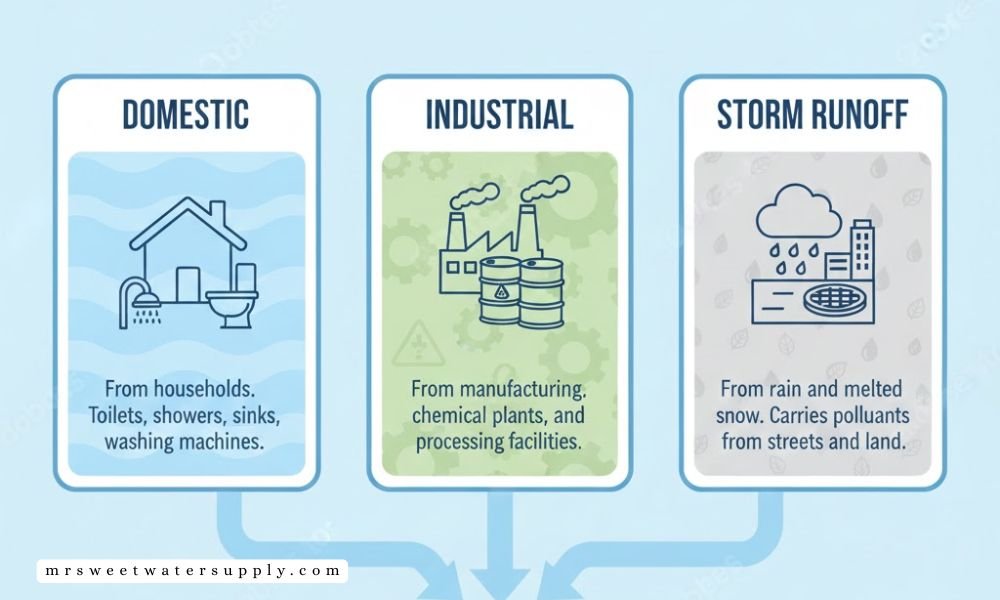
- Domestic Waste Water – from homes, apartments, and residential areas. It includes both grey and black water.
- Commercial Waste Water – from hotels, malls, restaurants, hospitals, and office complexes.
Both types are treated separately or combined in centralized facilities, depending on the system design.
Domestic Waste Water Types
Domestic waste water is typically divided into:
- Black Water: from toilets and urinals.
- Grey Water: from sinks, showers, and laundry.
Proper disposal of domestic waste water prevents odor, groundwater contamination, and disease spread. Most new developments in Dubai have inbuilt drainage systems connected to the city’s main municipal waste water network.
Commercial Waste Water Management in Dubai
Commercial buildings and construction projects often require liquid waste management services for:
- Sewage collection and disposal
- Non hazardous liquid waste water removal
- Construction site drainage and dewatering
- Grease trap cleaning for restaurants and hotels
Environmental service companies in Dubai offer 24/7 tanker support and licensed disposal at approved treatment facilities, ensuring compliance with Dubai Municipality regulations.
Read for more about; Dubai Waste Water Tankers for Circular Reuse
Construction Site Waste Water in Dubai
Construction activities also generate a specific Types of Waste Water that contains mud, cement residues, and oil. This construction waste water must be treated or properly disposed of to prevent contamination of soil and nearby water channels. Specialized contractors manage dewatering, collection, and treatment of this waste in compliance with local standards.
Waste Water Classification in the UAE
The UAE classifies waste water based on its origin and contamination level:
| Category | Example | Treatment Requirement |
| Domestic (Black/Grey) | Residential buildings, villas | Primary + Secondary |
| Commercial | Hotels, malls, restaurants | Secondary + Tertiary |
| Industrial | Factories, workshops | Chemical + Biological |
| Construction | Site run off, concrete wash | Sedimentation + Filtration |
| Septic Tank Waste | Areas not connected to sewer | Collection + Centralized Treatment |
Liquid Waste Management and Septic Tank Waste in UAE
For areas not connected to the municipal sewage network, septic tanks are used to store waste water. These tanks require regular emptying by licensed sewage tanker services to prevent overflow and environmental hazards.
Non hazardous liquid waste, such as water from cleaning or cooling processes, also needs proper disposal. Licensed liquid waste management companies in Dubai collect and treat these wastes safely in compliance with local regulations.
Treated Sewage Effluent (TSE) in Dubai
Treated Sewage Effluent is the final product of sewage treatment. It’s clear, odorless, and safe for non potable uses. In Dubai, TSE is widely used for:
- Irrigation of public parks and golf courses
- Cooling towers in industrial zones
- Road cleaning and landscaping
This reuse helps conserve valuable desalinated water and supports the UAE’s sustainability and water conservation goals.
Environmental Services and Sustainable Future
Dubai and other Emirates are moving toward circular water management, where every drop is reused whenever possible. Government authorities and environmental service providers work together to reduce waste water pollution, promote recycling, and ensure compliance with environmental laws.
The UAE Vision 2031 emphasizes the importance of sustainable waste water systems, advanced treatment plants, and public awareness about responsible disposal practices.
Conclusion
Understanding the types of waste water—sewage, grey water, and industrial—is key to managing them efficiently. From domestic households to large industries, every sector plays a role in protecting the environment.
Dubai’s leadership in waste water treatment, grey water recycling, and liquid waste management shows how innovation and responsibility can go hand in hand. By supporting recycling programs, using professional waste water services, and following best practices, we can all contribute to a cleaner, more sustainable future for the UAE.