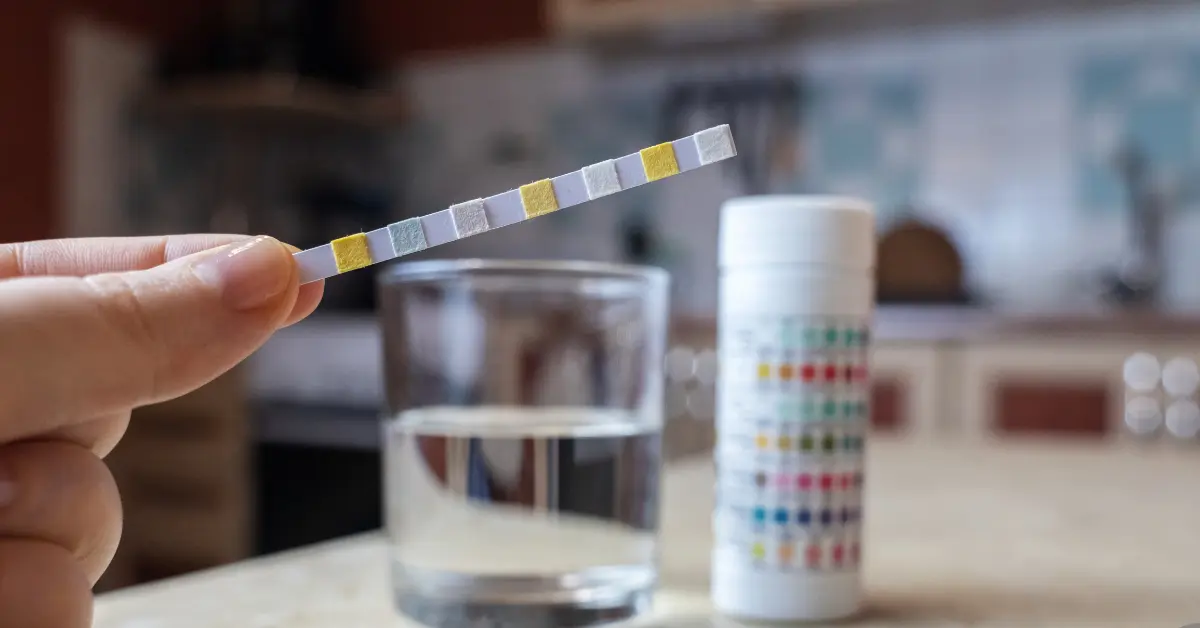
Water quality directly affects your health, appliances, and daily life. In the UAE, where water is stored in tanks and delivered via tankers, it becomes even more important to regularly check for contamination.
If you’re searching for how to test water quality at home without a kit, this guide explains practical DIY methods and when you should contact a professional water supplier.
Why Is It Important to Test Water Quality?
Understanding why it is important to test water quality can help prevent:
- Bacterial infections
- Skin irritation
- Stomach problems
- Pipe corrosion
- Tank contamination
In many UAE homes, water is stored in overhead tanks. Poor maintenance or low-grade tanker supply can affect quality. If you rely on tanker delivery, always choose a reliable water tanker supplier in UAE such as
https://mrsweetwatersupply.com/reliable-water-tanker-supplier-in-uae/
How to Test Water Quality at Home Without a Kit
Below are simple and practical methods you can use immediately.
1. Visual Inspection
Fill a clear glass and observe:
- Is the water cloudy?
- Is there a yellow or brown tint?
- Are particles floating?
- Is there an oily layer on top?
Clean drinking water should be clear and free of visible debris.
If you notice sediment buildup, your storage tank may require professional cleaning such as
https://mrsweetwatersupply.com/sewage-tank-cleaning/
2. Smell Test
Water should not have a strong odor.
Common smell indicators:
- Rotten egg smell → possible bacterial presence
- Musty odor → algae contamination
- Strong chlorine smell → chemical imbalance
If odor persists, consider replacing your supply with certified sweet water delivery in your area, such as
https://mrsweetwatersupply.com/sweet-water-dubai/
For urgent situations, emergency delivery services are available at
https://mrsweetwatersupply.com/emergency-water-supply/
3. Taste Test (Only If Water Appears Safe)
Take a very small sip only if water looks and smells normal.
- Metallic taste → possible pipe corrosion
- Salty taste → mineral imbalance
- Bitter taste → chemical contamination
If taste is unusual, switching to purified options like
https://mrsweetwatersupply.com/ro-water-supply/
can be a safer alternative.
4. Sediment Jar Test
- Fill a transparent jar with water.
- Leave it undisturbed for 1–2 hours.
- Check for settled particles.
Sediment often indicates dirty tanks or low-quality supply.
Villa owners relying on tanker water should ensure professional delivery services such as
https://mrsweetwatersupply.com/villa-water-supply/
5. Soap Lather Test (Hardness Check)
Add a few drops of liquid soap into a bottle of water and shake.
- Thick foam → soft water
- Little foam → hard water
Hard water causes scale buildup in pipes and appliances, increasing maintenance costs.
How to Test Pond, Lake, or Construction Water Quality
If you are testing outdoor water sources:
Check for:
- Green algae growth
- Dead insects or fish
- Strong odor
- Murky or dark appearance
Construction projects often require tested and regulated supply through
https://mrsweetwatersupply.com/construction-water-supply/
For treated irrigation water, refer to
https://mrsweetwatersupply.com/tse-water/
Signs You Need Professional Water Services
DIY testing helps identify visible problems, but it cannot detect bacteria or heavy metals.
You should contact professionals if:
- Water turns cloudy after rainfall
- There is repeated bad odor
- Tanks overflow during storms
- Wastewater accumulates
Services such as
https://mrsweetwatersupply.com/rain-water-removal/
and
https://mrsweetwatersupply.com/waste-water-removal/
help prevent contamination and health risks.
For complete service coverage, visit
https://mrsweetwatersupply.com/services/
When Home Testing Is Not Enough
Home methods are useful first-level checks, but they cannot detect:
- E. coli bacteria
- Lead contamination
- Arsenic
- Chemical pollutants
If health symptoms persist or water issues continue, it is safer to contact a professional supplier directly:
https://mrsweetwatersupply.com/contact/
Conclusion
Knowing how to test water quality at home without a kit helps you detect early warning signs of contamination. However, long-term water safety depends on reliable supply, clean storage tanks, and professional handling.
If you suspect any issue with your home water quality, ensure you are sourcing from a trusted provider and maintaining your tanks regularly.