Dubai’s rapid urban growth has made sewage disposal in Dubai a critical aspect of public health and city management. From towering high-rises to residential neighborhoods and industrial areas, every property relies on a functional sewage system. Proper disposal ensures safe living conditions, environmental protection, and uninterrupted urban life.
Some areas are connected to the municipal sewer system, while others depend on licensed sewage tanker services. This article explains how sewage disposal works, when services are needed, the role of trucks and equipment, costs, and the truth behind common myths like the Burj Khalifa sewage hoax.
Does Dubai Have a Sewage System?
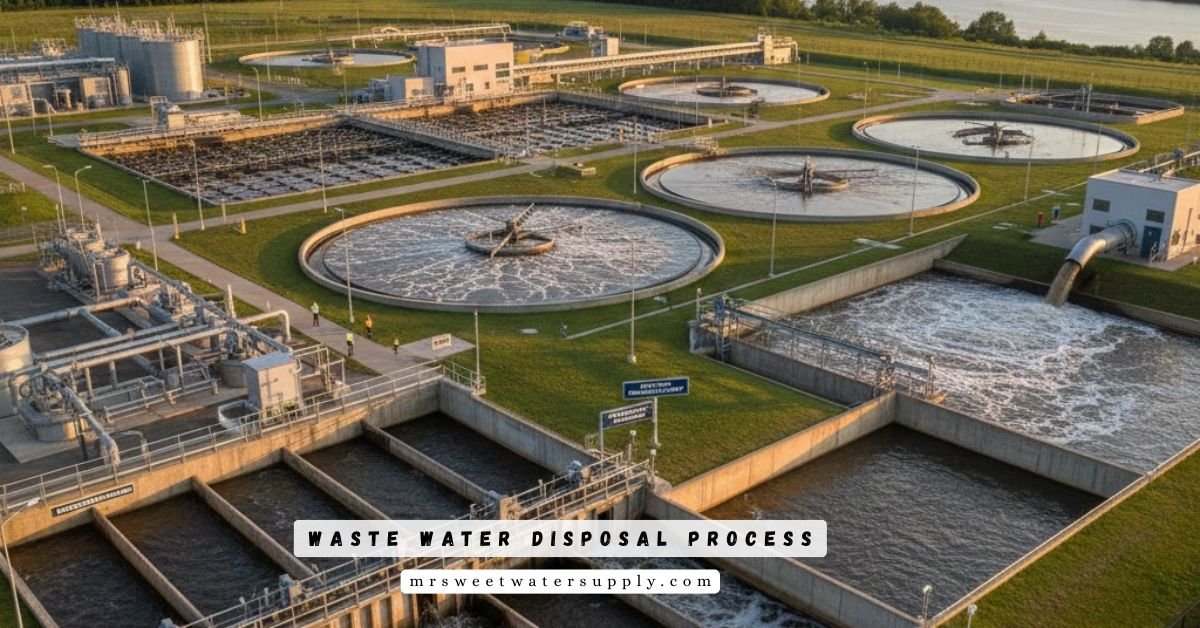
Yes, Dubai has a centralized municipal sewage system covering most urban areas. Wastewater from residential, commercial, and high-rise buildings flows through underground sewer networks to treatment plants, including Al Awir and Jebel Ali.
Properties in newly developed or remote areas may rely on licensed sewage disposal services in Dubai to transport wastewater safely to these plants, ensuring compliance with Dubai Municipality regulations.
How Sewage Disposal Works in Dubai
The process of sewage disposal in Dubai involves several steps to ensure safe and efficient treatment:
- Collection – Wastewater enters the municipal sewer network or is collected by sewage tanker trucks in areas without direct connection.
- Transportation – Waste is transported through underground pipelines or tanker trucks to treatment facilities.
- Treatment – Facilities like Al Awir and Jebel Ali treat wastewater, separating solids, sludge, and liquids. Portions are reused for irrigation or industrial purposes.
- Compliance & Monitoring – Licensed providers conduct regular inspections and cleanings, ensuring adherence to environmental and health regulations.
When Is Sewage Disposal in Dubai Required?
Even with a central system, some properties still need professional sewage disposal in Dubai:
- Septic tanks or holding tanks filling up
- Overflows, blockages, or unpleasant odours
- Industrial or commercial facilities producing large volumes of wastewater
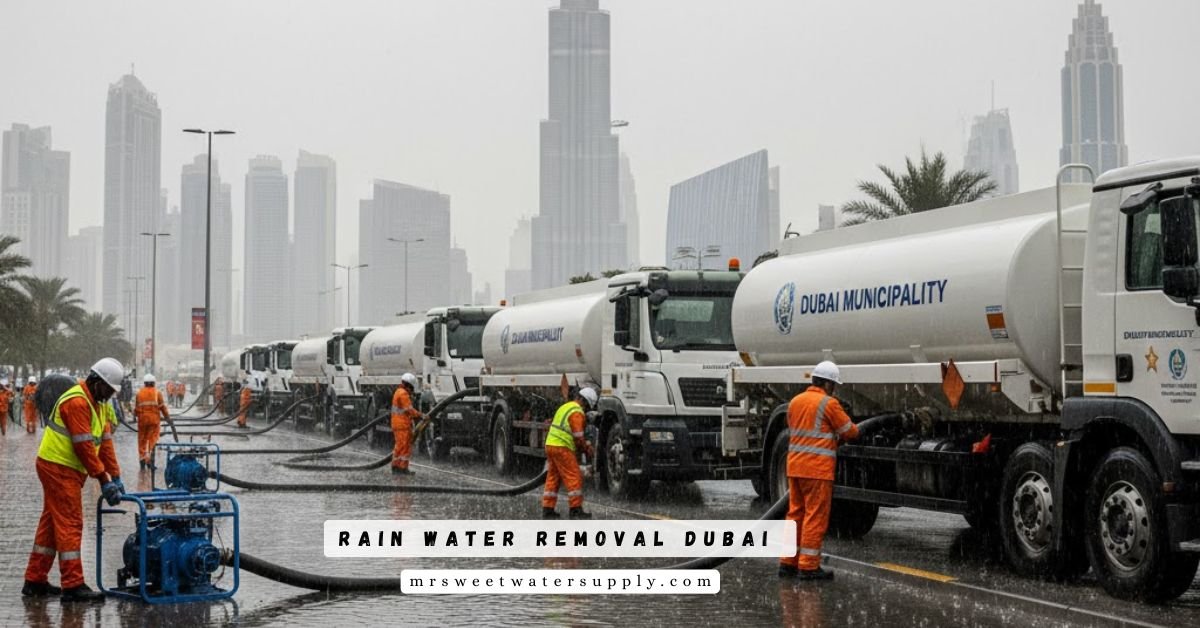
- Emergency situations caused by storms or infrastructure stress
Timely sewage disposal helps prevent fines, property damage, and environmental hazards.
Burj Khalifa Sewage System Hoax Explained
Despite rumors, the Burj Khalifa is fully connected to Dubai’s municipal sewage system. Claims that trucks transport waste hundreds of times daily are false and originated during early construction phases.
The tower and surrounding Downtown Dubai area are integrated into the city’s underground network, proving that even mega-structures rely on proper sewage disposal in Dubai.
Cost of Sewage Disposal Services in Dubai
Sewage disposal costs vary based on several factors:
- Tank type: residential, commercial, industrial
- Volume of wastewater
- Service frequency and accessibility
- Emergency or after-hours callouts
Average cost for residential septic tank cleaning: AED 250–800 per visit.
Commercial and industrial facilities may incur higher costs due to volume and specialized equipment.
Regular and timely disposal reduces long-term expenses and prevents overflows.
Dubai Sewage Trucks & Equipment
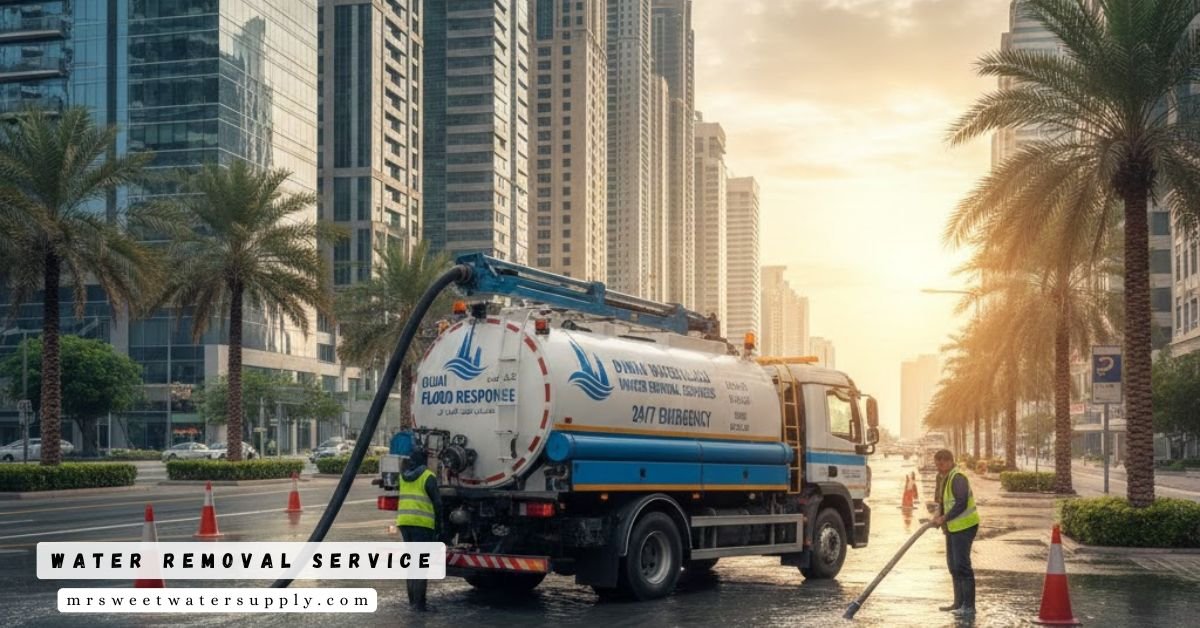
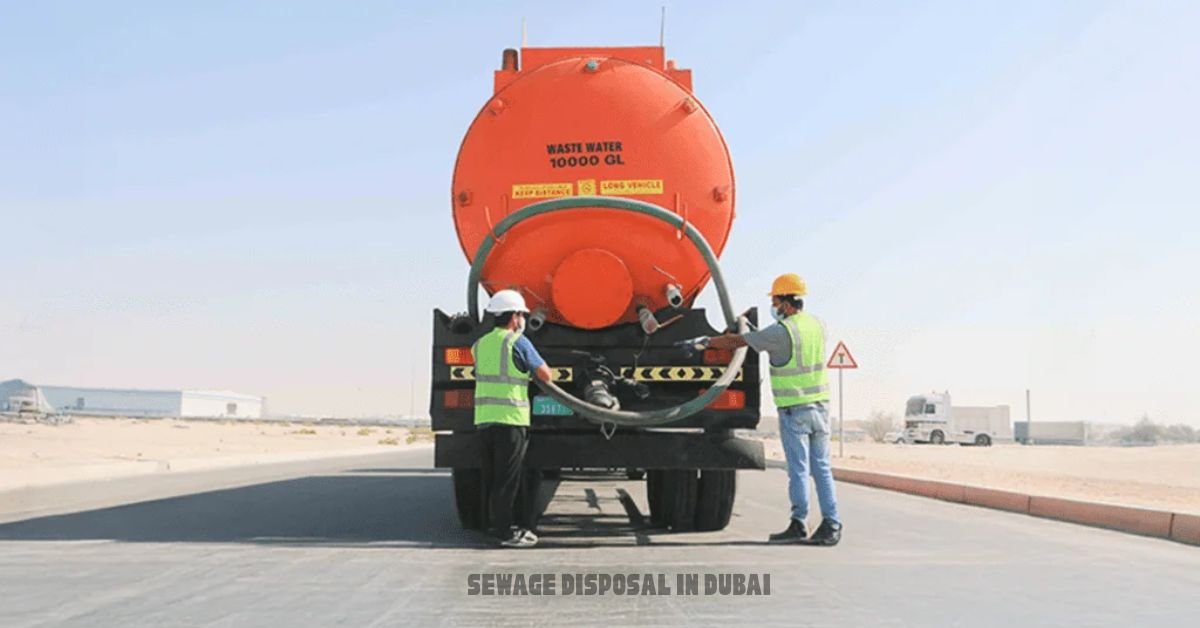
Sewage trucks in Dubai are equipped with:
- Suction and vacuum pumps
- Sealed compartments for safe transport
- High-pressure water jets for pipe cleaning
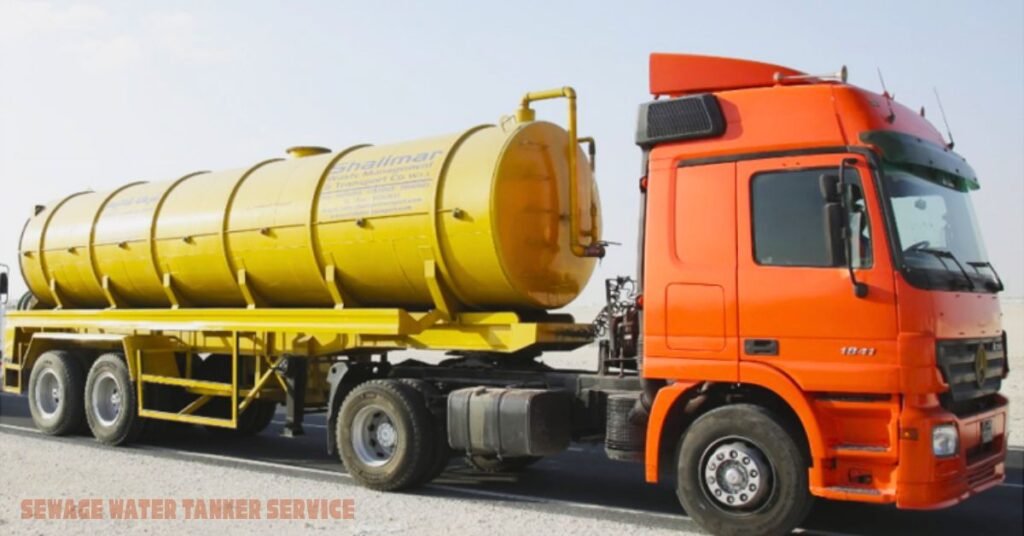
Truck sizes vary from 1,000–10,000 gallons, depending on property size and service type. Smaller vehicles access residential areas, while larger tankers serve industrial or commercial clients efficiently.
Managing Septic and Holding Tanks
Proper maintenance of septic tanks is essential to avoid overflows, unpleasant smells, and costly repairs. Homeowners should schedule cleaning every 6–12 months based on tank size and usage.
Professional service providers include inspections, cleaning, and compliance reporting. Early detection of leaks or structural issues helps prevent environmental damage.
Choosing the Right Sewage Disposal Provider in Dubai
Engaging a licensed and reliable sewage disposal service in Dubai ensures:
- Compliance with Dubai Municipality regulations
- Clean, well-maintained, and safety-certified equipment
- Transparent pricing and optional service contracts
- Professional, trained technicians handling sanitation safely
Professionalism and reliability are crucial, especially for emergency services and commercial clients.
If you need the assistance of a reliable source, Mr Sweet Water Supply provides sewer and wastewater services designed to be safe, consistent, and conforming. With its competent staff and flexible schedules, the company offers services to residential, commercial, and industrial sites in the same manner.
To schedule a pickup, discuss a maintenance contract, or request urgent service, call Mr. Sweet Water Supply today to ensure that your home’s cleanliness is in good hands.
FAQs
Q1: What is sewage disposal in Dubai?
A: Sewage disposal in Dubai is the collection, transportation, and treatment of wastewater from residential, commercial, and industrial properties.
Q2: Is Dubai’s sewage system centralized?
A: Yes, most urban areas are connected to municipal treatment plants, while some areas use licensed sewage tanker services.
Q3: Why are sewage trucks used in Dubai?
A: Trucks serve properties outside the municipal network or during emergencies, ensuring safe and legal wastewater removal.
Q4: How is wastewater treated in Dubai?
A: Wastewater is treated at plants like Al Awir and Jebel Ali, separating sludge and water, some of which is reused for irrigation or industry.
Q5: Is Burj Khalifa connected to the sewer system?
A: Yes, Burj Khalifa is fully connected to Dubai’s municipal sewer network; the daily truck myth is false.