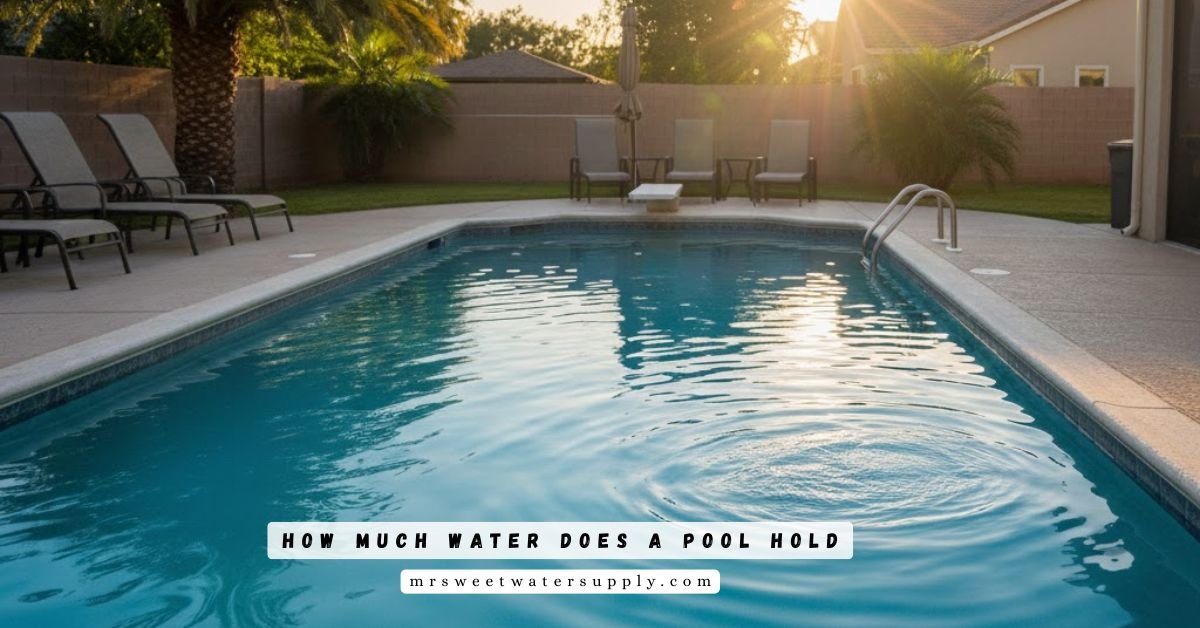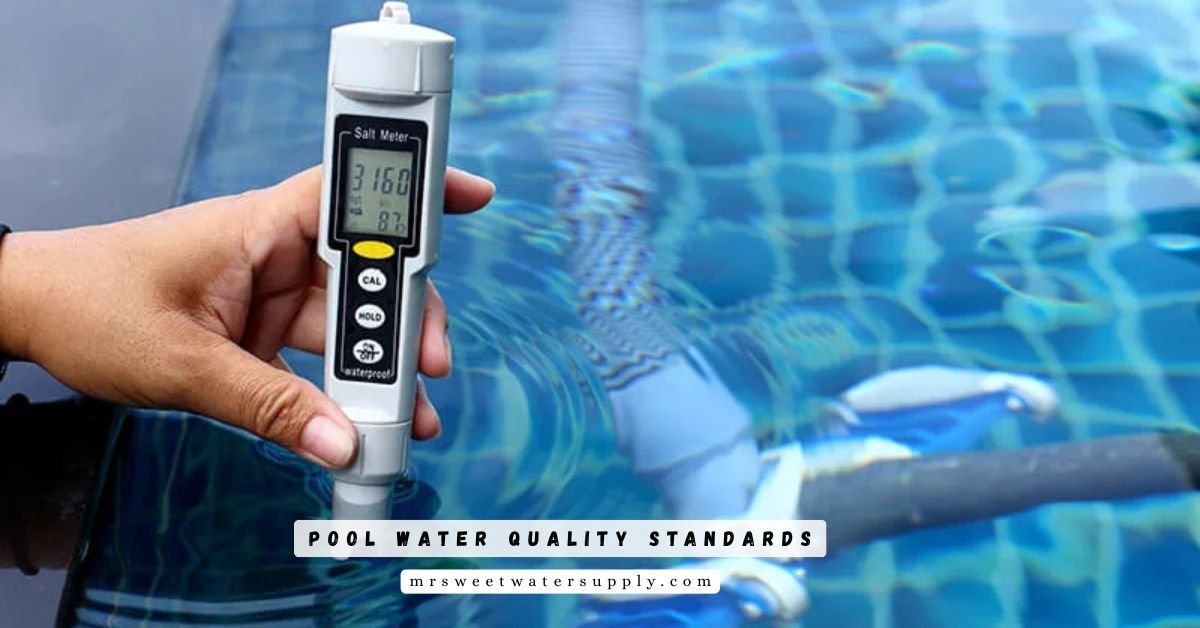
Pool water quality standards in the UAE matter for every villa, hotel, resort, community, gym, school, pool contractor and maintenance company. In the UAE’s hot climate, pool water can lose balance quickly if chlorine, pH, filtration and water circulation are not managed properly.
Clean-looking water is not always safe water. A swimming pool can appear clear but still have poor chemical balance, weak disinfection, high bacteria risk or filtration problems. That is why regular pool water testing, correct chemical balance and clean water refilling are essential for safe swimming.
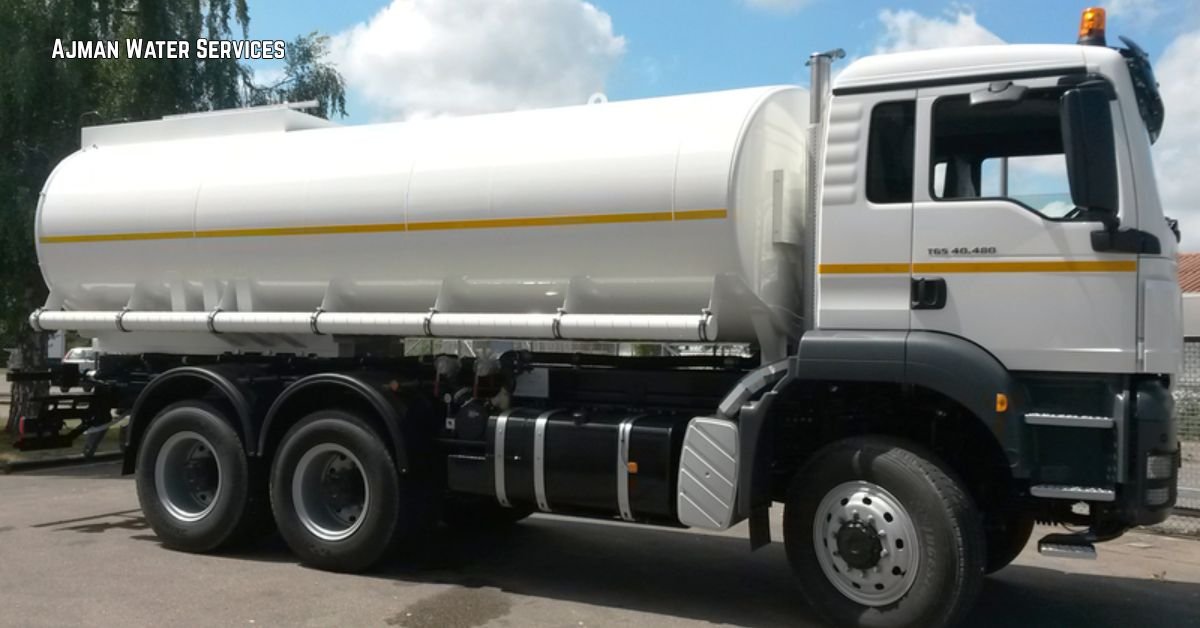
This guide explains the key pool water quality checks used in the UAE, the warning signs of poor pool water, how often pool water should be tested, and when to book professional pool water tanker delivery for refilling, topping up or replacing old water.
Need Clean Pool Water Delivery?
Book pool water tanker delivery for villas, hotels, resorts, communities and maintenance projects across Dubai, Abu Dhabi and UAE service areas.
WhatsApp for Pool Water Quote Call +971 56 654 1463Why Pool Water Quality Matters in the UAE
Swimming pools in the UAE face strong heat, sunlight, dust, sand, evaporation and heavy usage. These conditions can affect chlorine performance, water level, pH balance and filtration efficiency. If the water is not monitored regularly, it can become unsafe, uncomfortable or difficult to maintain.
Poor pool water quality can lead to:
- Eye and skin irritation
- Strong chlorine smell
- Cloudy or green water
- Algae growth
- Slippery pool walls or floor
- Damaged tiles, pumps and filters
- Bacteria and hygiene risks
- Failed inspections for public or commercial pools
For villa pools, regular testing helps protect family and guests. For hotels, resorts, schools, gyms and community pools, water quality is also part of public health responsibility and operational trust.
Important Note About UAE Pool Regulations
Pool rules and inspection requirements can vary depending on the Emirate, municipality, pool type and whether the pool is private, public, commercial, hotel, school or community-owned. Public and commercial pool operators should always follow the latest requirements from the relevant authority in their Emirate.
This guide is written to help owners, facility managers and maintenance teams understand the main quality areas to monitor. It does not replace official inspection requirements, laboratory testing or professional pool maintenance advice.
Key Pool Water Quality Parameters to Monitor
The most important pool water quality standards usually focus on chemical balance, disinfection, clarity, filtration and microbiological safety. Below are the main parameters every pool owner or operator should understand.
1. Free Chlorine Level
Free chlorine is the active disinfectant that helps kill harmful microorganisms in pool water. If chlorine is too low, the pool may not be properly disinfected. If chlorine is too high, swimmers may experience skin, eye or breathing discomfort.
For many pools, chlorine should be checked daily, especially public, hotel, gym, school and community pools. Villa pools should also be tested frequently, especially during summer, after heavy use or after refilling.
2. pH Balance
pH measures how acidic or alkaline the pool water is. If pH is too low, the water can become corrosive and uncomfortable. If pH is too high, chlorine becomes less effective and the water can become cloudy or scale-forming.
A balanced pH helps chlorine work properly, protects pool equipment and improves swimmer comfort. If your pool often smells strongly of chlorine or causes eye irritation, pH imbalance may be one of the reasons.
3. Total Alkalinity
Total alkalinity helps stabilize pH. If alkalinity is too low, pH can swing up and down quickly. If alkalinity is too high, pH can become difficult to adjust and the water may become cloudy or scale-prone.
Alkalinity is especially important in UAE pools because evaporation and top-ups can change water balance over time.
4. Calcium Hardness
Calcium hardness measures the amount of dissolved calcium in pool water. Low calcium can make water aggressive and damage surfaces. High calcium can cause scaling, cloudy water and deposits on tiles, pipes and equipment.
If a pool is frequently topped up or refilled, calcium hardness should be checked as part of routine maintenance.
5. Cyanuric Acid
Cyanuric acid is sometimes used as a chlorine stabilizer in outdoor pools. It helps reduce chlorine loss from sunlight. However, too much cyanuric acid can reduce chlorine effectiveness and make the pool harder to manage.
Pool operators should test and manage cyanuric acid carefully, especially for outdoor pools exposed to strong UAE sunlight.
6. Water Clarity and Turbidity
Clear water is a basic safety requirement. Swimmers, lifeguards and pool users should be able to see the bottom of the pool clearly. Cloudy water may indicate poor filtration, chemical imbalance, algae, heavy debris or bacteria risk.
If your pool water becomes cloudy even after chemical adjustment, the filter, pump circulation or water replacement schedule may need attention.
7. Microbiological Safety
Microbiological testing checks for bacteria and contamination. Public and commercial pools may require periodic microbiological testing and recordkeeping depending on the authority and pool category.
For private pools, routine chemical checks are important, but professional testing may also be needed after contamination, long inactivity, flooding, heavy use or major maintenance.
Simple Pool Water Quality Checklist
Use this practical checklist to understand whether your pool needs testing, treatment or refilling:
- Is the water clear enough to see the pool floor?
- Is chlorine within the correct working range?
- Is pH balanced?
- Is the filter clean and working properly?
- Is the pump running long enough for proper circulation?
- Is there any algae on walls, steps or corners?
- Is the water level correct?
- Is there a strong chlorine smell?
- Has the pool been tested after heavy use?
- Has the pool been refilled or topped up recently?
If several answers raise concern, the pool may need professional maintenance, chemical balancing or fresh pool water delivery.
How Often Should Pool Water Be Tested?
Testing frequency depends on the type of pool and how often it is used. Public, hotel, school, gym and community pools usually need stricter testing and records. Private villa pools may not have the same inspection requirements, but they still need frequent testing for safety and comfort.
A practical testing schedule may include:
- Daily or frequent testing: chlorine, pH and water clarity, especially for public or high-use pools.
- Weekly checks: alkalinity, filter condition, visible algae, water level and cleaning needs.
- Periodic checks: calcium hardness, cyanuric acid and deeper chemical balance.
- After special events: test after heavy swimming, sandstorms, rain, maintenance, refilling or long inactivity.
- Microbiological testing: arrange professional testing when required by regulation or when contamination is suspected.
For hotels, resorts, gyms, schools and commercial pools, keep a written or digital logbook of test results, chemical usage, filtration checks, cleaning and maintenance actions.
Refilling a Pool After Cleaning or Maintenance?
Send your pool size, location and delivery time. We can help arrange pool water tanker delivery for villas, hotels, resorts and maintenance teams.
Request Pool RefillWarning Signs Your Pool Water Is Not Safe
Do not wait until the pool becomes green or unusable. Many pool water problems show early warning signs.
Common warning signs include:
- Cloudy water: may indicate poor filtration, high pH, algae, dirt or chemical imbalance.
- Green water: usually points to algae growth or weak disinfection.
- Strong chlorine smell: can indicate chloramine buildup or poor chemical balance.
- Eye or skin irritation: may be linked to pH imbalance, high chloramines or poor water quality.
- Foam or scum line: may come from oils, cosmetics, detergents or poor cleaning.
- Slippery surfaces: may indicate algae or biofilm.
- Frequent chemical swings: may indicate low alkalinity, poor filtration or old water.
- Bad smell: may indicate organic buildup, contamination or poor circulation.
If these signs appear repeatedly, fresh water replacement or partial draining may be needed along with proper pool treatment.
Pool Filtration and Circulation Standards
Chemicals alone cannot keep a pool safe. Pool water must also circulate through the filtration system. Without proper circulation, chlorine may not spread evenly, debris may settle, and bacteria or algae can grow in weak-flow areas.
Good pool circulation depends on:
- A working pump
- Clean filters
- Properly positioned water inlets
- Regular skimmer basket cleaning
- Backwashing or filter cleaning when needed
- Enough pump running time for the pool size
- No blockage in pipes, drains or returns
If your water remains cloudy after treatment, the problem may not be the water alone. It may be the filtration system, circulation time or filter cleaning schedule.
Pool Cleaning and Hygiene Best Practices
Pool hygiene is not only about water chemistry. The physical pool area also needs regular cleaning to reduce dirt, bacteria, algae and organic load.
Best practices include:
- Skim leaves and floating debris daily or as needed.
- Brush pool walls, floor, corners and steps.
- Vacuum sediment from the bottom.
- Clean skimmer baskets and pump baskets.
- Backwash or clean filters as required.
- Keep the pool deck clean and free from standing water.
- Prevent pets, soil, chemicals and waste from entering the pool.
- Do not allow swimming when water is cloudy, green or visibly contaminated.
When Should You Replace or Refill Pool Water?
Many pool problems can be corrected through filtration, cleaning and chemical balancing. But sometimes the water itself needs partial or full replacement. This is common after heavy contamination, long neglect, renovation, maintenance or when chemical balance becomes difficult to control.
You may need pool water replacement or refilling when:
- The pool was drained for cleaning or repair.
- The pool is newly built and ready for first filling.
- The water is old, cloudy or difficult to balance.
- The pool has algae that keeps returning.
- The pool was affected by rain, dust, sand or contamination.
- The water level dropped due to evaporation or leakage repair.
- The pool needs to be ready quickly for guests, tenants or handover.
In these cases, pool water tanker delivery can help refill the pool faster and reduce downtime.
Pool Water Delivery for Villas
Villa pools often need water after cleaning, maintenance, tile repair, leakage work or seasonal preparation. A reliable pool water tanker helps owners refill the pool without waiting too long.
Before ordering, make sure the pool is clean, the drain is closed and there is access for the tanker or hose. Share your villa location, pool size and preferred delivery time on WhatsApp for faster assistance.
Pool Water Delivery for Hotels, Resorts and Communities
Hotels, resorts and community pools need dependable water supply because downtime can affect guests, residents and operations. Scheduled pool water delivery is useful after planned maintenance, renovation, cleaning or water replacement.
Facility managers should prepare the pool area, confirm tanker access, appoint a contact person and coordinate treatment after filling.
Pool Water Delivery for Contractors and Maintenance Companies
Pool contractors and maintenance teams often need water after cleaning, repair, waterproofing, tile work or handover. Fast water delivery helps complete the job and avoid client delays.
If you are a contractor, send the project location, pool dimensions, delivery deadline and access details. This allows the supplier to suggest the right tanker capacity and timing.
How to Estimate Pool Water Quantity
The amount of water needed depends on the pool’s length, width, depth and shape. A small villa pool may only need a partial delivery or top-up, while larger hotel and community pools may require multiple tanker trips.
To get a better estimate, prepare:
- Pool length
- Pool width
- Average depth
- Pool shape
- Whether the pool is empty or partially filled
- Whether you need full filling or only top-up water
If you do not know the exact pool size, send photos or approximate dimensions through WhatsApp. The team can help guide you before booking.
What Affects Pool Water Delivery Price?
Pool water delivery price depends on practical factors such as water quantity, location, tanker capacity, urgency and site access.
Main price factors include:
- Pool size: larger pools require more water.
- Delivery location: distance and service area can affect cost.
- Tanker size: different tanker capacities may have different rates.
- Urgency: same-day or emergency delivery may be priced differently.
- Access: difficult entry, waiting time or hose distance can affect the final quote.
- Number of trips: larger pools may require multiple deliveries.
For an accurate quote, send your location, pool details and preferred delivery time by WhatsApp.
How to Book Pool Water Tanker Delivery
Booking pool water delivery should be simple. Follow these steps:
- Send your location or Google Maps pin.
- Share pool size or approximate dimensions.
- Tell us the water requirement such as full filling, refilling or top-up.
- Confirm access details for villa gate, hotel entrance, community access or site road.
- Choose delivery timing for urgent, same-day or scheduled delivery.
- Confirm the quote before tanker dispatch.
Why Choose Mr Sweet Water Supply?
Mr Sweet Water Supply helps customers arrange pool water delivery for villas, hotels, resorts, communities, contractors and maintenance companies across UAE service areas. The goal is to make booking easy, communication clear and delivery dependable.
Customers choose us because we provide:
- Direct phone and WhatsApp booking.
- Pool water tanker delivery for villas, hotels, resorts and communities.
- Support for Dubai, Abu Dhabi, Sharjah, Ajman and nearby UAE areas.
- Guidance on pool size and tanker quantity before booking.
- Urgent and scheduled delivery support depending on availability.
- Clear communication before dispatch.
Book Safe Pool Water Delivery in UAE
Need to fill, refill or top up your swimming pool? Contact Mr Sweet Water Supply for pool water tanker delivery and fast quote support.
WhatsApp +971 56 654 1463 Call NowQuick Checklist Before Pool Refilling
Before booking pool water delivery, prepare this information:
- Your exact location or Google Maps pin.
- Pool length, width and average depth if available.
- Whether the pool is empty or partly filled.
- Preferred delivery date and time.
- Villa, hotel, community or site access details.
- Contact person name and phone number.
- Any deadline, inspection or handover timing.
Sending these details helps the supplier confirm availability, quote and delivery timing faster.
Frequently Asked Questions
What are the main pool water quality standards in the UAE?
The main pool water quality areas include chlorine level, pH balance, alkalinity, calcium hardness, water clarity, filtration, circulation and microbiological safety. Public and commercial pools should follow the latest requirements from the relevant local authority.
How often should pool water be tested?
High-use, public and commercial pools should be tested very frequently, often daily for key readings such as chlorine, pH and temperature. Villa pools should also be checked regularly, especially during summer, after heavy use, after refilling or when water looks cloudy.
Why does my pool smell strongly of chlorine?
A strong chlorine smell does not always mean there is too much good chlorine. It may indicate chloramines, poor chemical balance or insufficient water treatment. Test chlorine, pH and overall balance before allowing heavy use.
What causes cloudy pool water?
Cloudy pool water can be caused by poor filtration, high pH, low chlorine, algae, dust, debris, heavy use, poor circulation or old water that needs treatment or replacement.
When should I refill my swimming pool?
You may need to refill your pool after cleaning, repair, renovation, leakage work, contamination, algae problems or when old water becomes difficult to balance. Pool water tanker delivery is useful when you need fast refilling.
Can I book pool water delivery for a villa?
Yes, pool water tanker delivery is available for villa pools, including full filling, refilling after maintenance and water level top-ups depending on location and availability.
Do you provide pool water delivery for hotels and communities?
Yes, pool water delivery can be arranged for hotels, resorts, residential communities, commercial pools and maintenance projects depending on tanker availability and service area.
What details do I need for a pool water quote?
To get a fast quote, share your location, pool size, whether the pool is empty or partly filled, preferred delivery time and access details.
Final Word: Safe Pool Water Starts With Testing, Maintenance and Clean Refilling
Maintaining pool water quality in the UAE requires regular testing, correct chemical balance, good filtration, proper circulation and timely refilling when needed. Whether you manage a villa pool, hotel pool, community pool or maintenance project, clean water and clear planning help protect swimmers and avoid delays.
Call or WhatsApp +971 56 654 1463 today to book pool water tanker delivery in UAE.