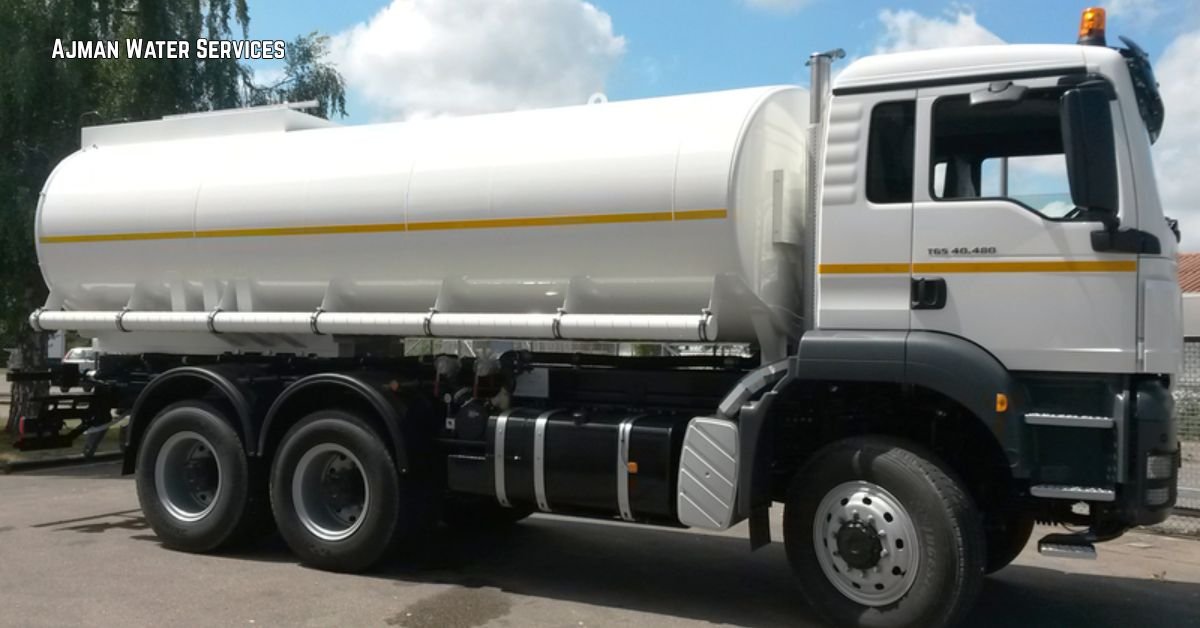
Rainwater Removal Service
Rainwater accumulation is not just a nuisance in the UAE it’s an operational risk. From flooded basements in Dubai to waterlogged construction sites in Sharjah and Ajman, unmanaged rainwater can shut down operations, damage infrastructure, and create serious safety hazards. A professional rainwater removal service is designed to handle high-volume water extraction quickly, safely, and in compliance with UAE municipality regulations. With the right tanker fleet, trained operators, and approved discharge systems, rainwater can be removed and disposed of without disrupting your property or operations.
If you’re dealing with stormwater buildup, pooling water, or drainage failure, the solution is not improvisation it’s structured tanker-based removal.
What Is a Rainwater Removal Service?
Rainwater removal is a specialized service that uses high-capacity pumps and tanker systems to extract accumulated stormwater from areas where natural drainage is not sufficient. It is commonly required after heavy rainfall to prevent water buildup from causing structural or operational issues.
Where Rainwater Removal Is Needed
This service is essential in locations where water accumulation can disrupt safety and operations. Common areas include construction sites, basement parking, residential villas, commercial compounds, and access roads. Each of these environments requires fast and controlled water extraction to avoid damage and delays.
How It Works & Its Role in Water Management
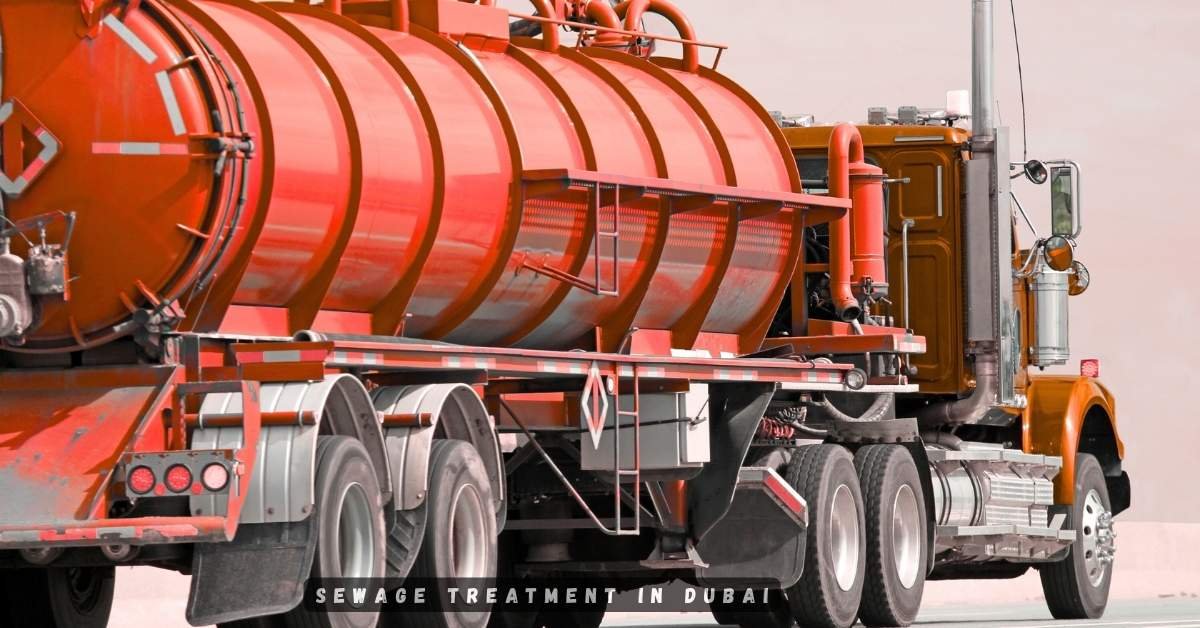
Rainwater removal relies on industrial suction tankers connected to powerful pumps to handle large volumes of water efficiently. The collected water is then transported to approved disposal or treatment facilities in line with UAE regulations. While similar to waste water removal systems, rainwater removal specifically deals with non-contaminated stormwater unless pollutants are present.in water removal service page.
Why Rainwater Removal Is Critical in the UAE
Rainfall in the UAE is infrequent but intense. When it hits, infrastructure is often not designed for prolonged water retention. Structural and Construction Risks ,Ignoring rainwater accumulation can cause serious structural damage, as standing water seeps into foundations particularly in villas and older buildings. On construction sites, flooded excavation pits halt progress, affecting timelines and requiring specialized partners for both water supply and removal.
Safety Hazards
Basement and site flooding poses significant electrical hazards, potentially damaging equipment and creating safety risks for occupants and workers.
Environmental and Health Concerns
Excess moisture can destabilize soil, weakening ground compaction on active sites. Additionally, stagnant water becomes a breeding ground for bacteria and insects, creating health and hygiene risks.
How Professional Rainwater Removal Works
From an operations standpoint, the process is straightforward but execution requires experience, licensing, and the right equipment. StSite Assessment and Pump Deployment. The process begins with a thorough site assessment, where water depth, volume, accessibility for tankers, soil and surface conditions, and drainage limitations are evaluated. Based on this assessment, high-capacity suction pumps are deployed, with equipment selected according to the water volume and debris content.
Tanker Extraction and Approved Disposal
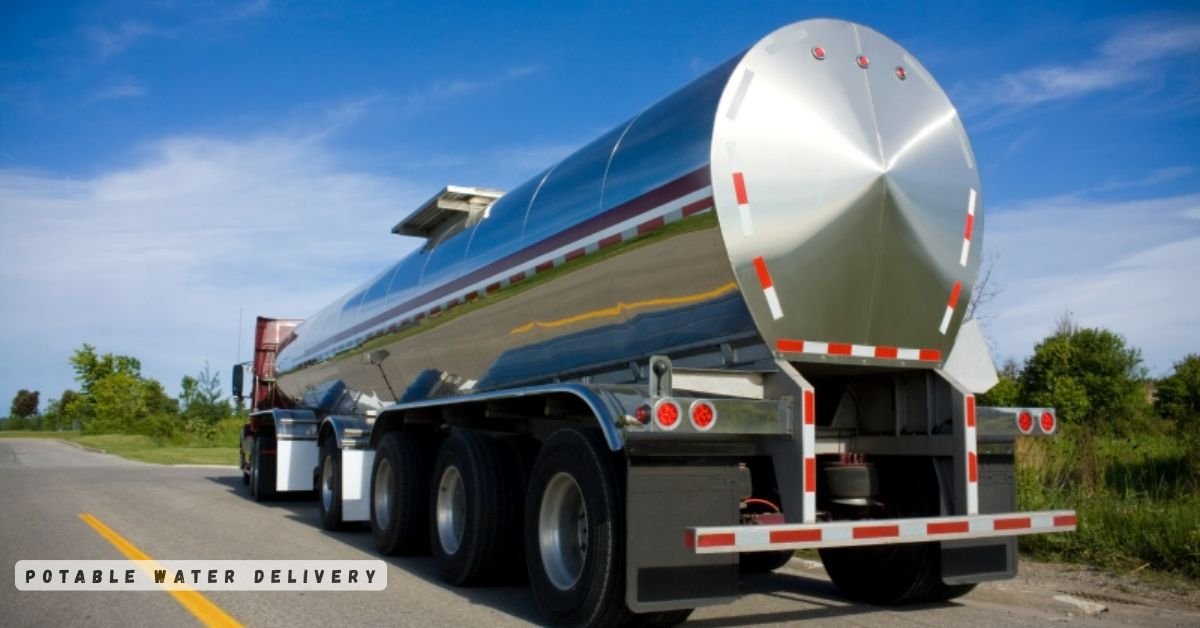
Once pumping begins, water is transferred into tankers ranging from 1,000 to 10,000+ gallons, similar to those used in tanker water delivery. Extracted water is then safely transported to municipality-approved discharge zones or treatment facilities, following the same standards applied in waste water removal systems.
Types of Properties That Require Rainwater Removal
Residential Villas
Villa communities in Dubai and Sharjah often experience pooling in: Garden areas ,Underground parking , Driveways.Many clients already rely on villa water supply services, making integration seamless.
Construction Sites
Excavation zones fill rapidly during rainfall. We coordinate closely with teams using bulk water delivery for construction to manage both inflow and removal.
Commercial & Industrial Areas
Warehouses, factories, and logistics yards need immediate drainage to avoid downtime.
Roads & Public Access Areas
Temporary waterlogging can disrupt movement, especially in low-lying areas.
RainWater, Wastewater, and Sewage Key Differences
Rainwater comes from natural rainfall and is typically low in contamination, allowing for approved drainage or reuse. Wastewater originates from domestic or industrial use, carrying moderate contamination and requiring treatment before disposal. Sewage, sourced from toilets and sanitation systems, has a high contamination level and demands full treatment and regulated disposal.
If rainwater becomes contaminated with oil, debris, or chemicals, it is treated as a regulated waste stream, similar to services like sewage tank cleaning or sewage water tanker services.
Equipment Used in Rainwater Removal
A professional operator does not rely on small pumps or temporary fixes.Core Equipment Includes Vacuum suction tankers (1K–10K+ gallons) , Diesel-powered pumping units , Flexible suction hoses (various diameters) , Debris filtration systems ,GPS-tracked fleet for dispatch. These are the same operational standards used in water tanker truck rental and large-scale supply logistics.
Emergency Rainwater Removal in the UAE
Storm events require immediate response. Delays increase damage exponentially. Our emergency operations align with the same rapid deployment system used in emergency water supply services. What Happens During Emergency Dispatch?
- 24/7 call intake
- Nearest tanker assigned via GPS
- Priority route clearance
- On-site within hours (depending on access)
For urgent situations, refer to emergency water services in the UAE.
Municipality Compliance and Environmental Standards
Operating rainwater removal services in the UAE requires strict adherence to municipal and environmental regulations. All tankers must be licensed and registered, while operators hold valid heavy vehicle licenses and route permits. Extracted water is discharged only at approved disposal points, ensuring no illegal dumping occurs. Contaminated water is treated according to established guidelines, similar to waste water disposal process in Dubai, maintaining both public safety and environmental protection.
Seasonal Demand and Operational Planning
Rainwater removal demand in the UAE spikes during winter months (December–February), sudden storm events, and flash floods. Professional operators prepare by scaling fleet availability, pre-positioning tankers in high-risk areas, and coordinating with ongoing water tanker supply near me demand clusters to ensure rapid response.
Integration With Other Water Services
Rainwater removal is part of a larger water logistics ecosystem. Clients often combine it with sweet water tanker supply for recovery operations, ro water supply in sensitive environments, and swimming pool filling when restoring flooded recreational areas. Understanding the full system ensures efficient and compliant operations, as detailed in where does Dubai get its water.
Choosing the Right Rainwater Removal Company
Key factors include fleet capacity to handle large volumes, rapid emergency response, compliance with UAE municipality standards, and operational experience across construction, residential, and industrial sites. Selection guidance is available in how to choose right water tanker supplier.
Cost Considerations
Rainwater removal pricing depends on the volume of water, access difficulty, pumping time, and distance to disposal facilities. For general pricing benchmarks, refer to how much does a water tanker cost in Dubai.
Service Coverage Across UAE
Professional rainwater removal services operate throughout Dubai, Sharjah, Ajman, Umm Al Quwain, Ras Al Khaimah, and Hatta. For potable water integration in these regions, clients can rely on services like sweet water Dubai, sweet water Sharjah, and sweet water Ajman.
Featured Snippet (Quick Answer)
Rainwater removal service in the UAE involves high-capacity suction tankers and pumps used to extract accumulated stormwater from properties, construction sites, and basements, followed by safe disposal at municipality-approved facilities to prevent structural damage, delays, and safety risks.
Frequently Asked Questions
1. How fast can rainwater be removed after flooding?
Response time depends on location and tanker availability, but emergency services typically deploy within hours.
2. Is rainwater considered wastewater?
Not initially, but if contaminated, it is treated under wastewater regulations.
3. Can rainwater be reused?
In some cases, yes—if properly filtered and tested.
4. Do I need permission for water removal?
Licensed service providers handle all compliance and disposal permissions.
5. What areas do you cover?
All major UAE regions including Dubai, Sharjah, Ajman, UAQ, RAK, and Hatta.
6. What tanker size is used?
Tankers range from 1,000 to over 10,000 gallons depending on the job.
Call to Action
If your site, villa, or facility is affected by rainwater accumulation, immediate action prevents costly damage. Book a professional extraction team today through book water tanker online , Speak with dispatch for urgent support via urgent water delivery near me Explore full service capabilities on water tanker services.
NAP Suggestion
Mr Sweet Water Supply UAE
Dubai, United Arab Emirates
24/7 Tanker Dispatch & Emergency Services
Phone: [Insert Number]
Website: MrSweetWaterSupply.com